What you notice before the line quits
Drains rarely go from fine to dead overnight. First comes the slow one: water that takes longer to leave the sink, or a tub with a ring of standing water after the shower. Then comes a smell, because material that sits in a pipe starts to rot.
The one to take seriously is more than one fixture acting up at once. A single slow sink usually means a blockage in that fixture's own branch. A toilet bubbling when the washer empties, or a floor drain rising when you flush, points to the main line, further down the pipe where everything joins. That is a bigger job, and waiting tends to make it worse.
What is actually happening inside the pipe
A blockage almost never starts as a solid plug. Grease and soap coat the pipe wall in a thin layer, and hair and paper catch on that layer. Each pass of water leaves a little more behind, and the opening shrinks until a small piece of debris finishes the job. A drain cleared with a quick fix can slow down again because if the buildup on the walls stays, the pipe is already half closed.
A wad of paper stuck at one spot is a different problem from a long stretch of coated pipe. The first can be broken up or pulled out. The second needs the walls scoured, or the line will just narrow again.
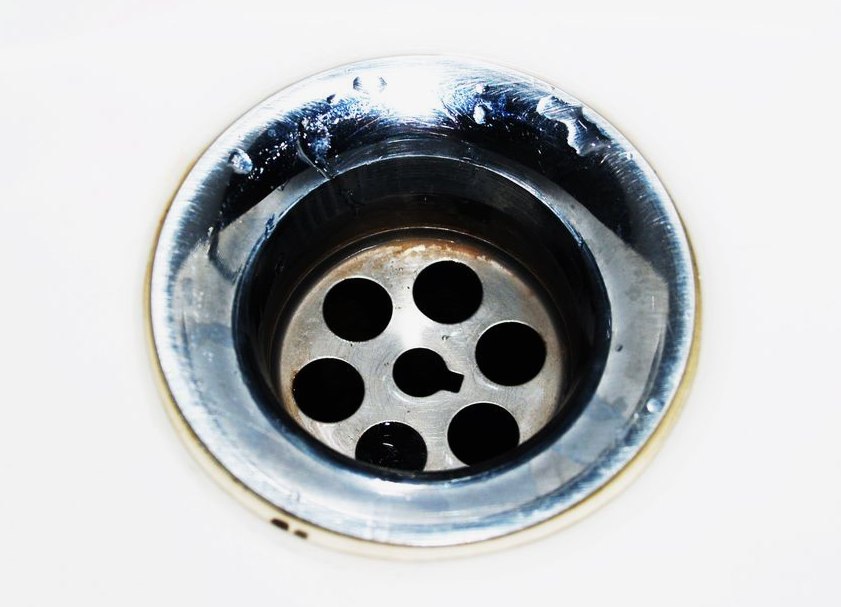
Snaking, hydro-jetting, and the cleanout
Most of our work starts at the drain cleanout, the capped access point on the line. A cleanout lets us put a tool straight into the pipe rather than working through a fixture, which means less disassembly and a better shot at reaching the real blockage. If a house has an accessible cleanout, we use it. If the only way in is through a toilet or a trap, the job takes more care.
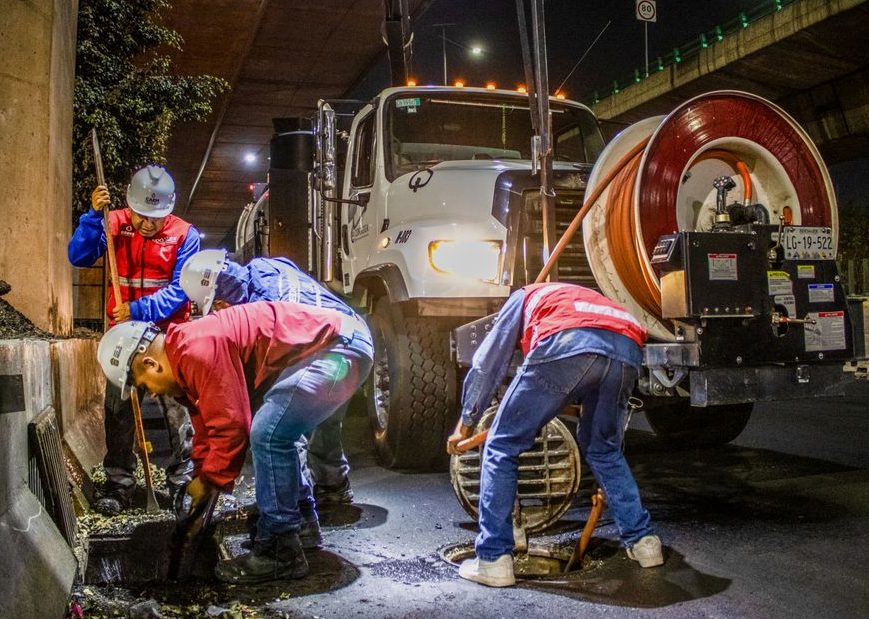
Snaking is the first tool for a localized clog: a cable with a head on it that we feed down the line to hook or break through the obstruction. For heavier buildup we use a hydro-jet hose and nozzle. It sends pressurized water down the pipe and scours the walls, so the line gets cleaned along its length rather than just opened at one spot. A snake through a coated pipe gets you a hole the size of the cable, and that hole closes.
Water heater connections and shutdowns
Sometimes a drainage issue or system repair requires working around the water heater. Before making water-heater connections, we close the main water supply and open a faucet to relieve pressure in the lines. For a gas water-heater shutdown, we turn the gas control to OFF, shut off the gas and cold-water supplies, and open the heater drain valve.
What it costs
Drain cleaning or drain snaking runs from $95 to $500. A single fixture drain that is easy to reach sits toward the low end. A longer run, a stubborn blockage, a line that needs more than a snake, or a spot with poor access pushes the price up. Whether there is a usable cleanout decides how directly we can get to the problem.
We tell you what we found and what method we will use before the work starts, so the number is not a surprise at the end.
Local conditions and the code we work to
Beaverton sits in a mixed climate with real winters and hot summers in climate zone 4C. Winter storms, windstorms and flooding are likely hazards here, bringing freezing temperatures, snow, ice and wind. Storm weather is a good time to notice how your drains behave. If water rises in a floor drain or a low fixture during heavy weather, treat that as a problem rather than assuming it will pass.
All plumbing work here falls under Oregon's newly effective 2026 Plumbing Specialty Code. If a clog turns out to be a symptom of a damaged pipe rather than buildup, we will say so plainly and explain what the repair involves before anything is opened up.
What to Expect
-
Tell Us What's Going On
Tell us what you're seeing and when it started, you'll get a straight answer, not a sales pitch.
-
No-Pressure Inspections
A tech inspects the problem in person, no guessing from photos, no drive-by quotes.
-
Clear, Written Quote
You get the scope and the price in writing before any work starts. No surprises.
In practice, on a job like this:
- Before making water-heater connections, close the main water supply and open a faucet to relieve pressure in the lines.
- For the documented gas water-heater shutdown procedure, turn the gas control to OFF, shut off the gas and cold-water supplies, and open the heater drain valve.
Pricing Ranges
Typical ranges, not a fixed price - the exact number is confirmed in writing before work starts.
$100–$300
Communities We Cover
We cover Beaverton, OR. Get an Inspection to confirm coverage for your address.
Where We Stand Before You Call
- Free Estimates
- The visit and the written scope cost you nothing.
- Straight answers, no sales pitch
- Questions get answers, not a close.
- The quote is the price
- The number you approve is the number you pay.