Recognizing the Problem
A toilet that runs constantly after you flush is pulling water from the tank because the fill valve or flapper is not sealing. A toilet that does not flush completely, or requires you to hold the handle down, points to a failing flush valve or a stretched chain inside the tank. Water pooling on the floor around the base comes from either a failed wax ring seal where the toilet meets the drain or a crack in the porcelain. If you smell sewer gas near a toilet, the wax ring is usually the culprit. A rocking toilet means the flange underneath has broken or the bolts holding it down have corroded.
Inside the Tank and Under the Bowl
Inside the tank, the fill valve controls how much water comes in after each flush. The flapper is the rubber seal that lifts when you push the handle, letting water drop into the bowl. The flush valve is the opening the water passes through, and the overflow tube keeps the tank from flooding if the fill valve malfunctions. Underneath the bowl, the wax ring creates a watertight seal between the toilet and the drain pipe. The flange is the pipe fitting sitting flush with the floor that holds the toilet bolts. In older toilets, multiple parts often wear out around the same time.
Diagnosing the Issue
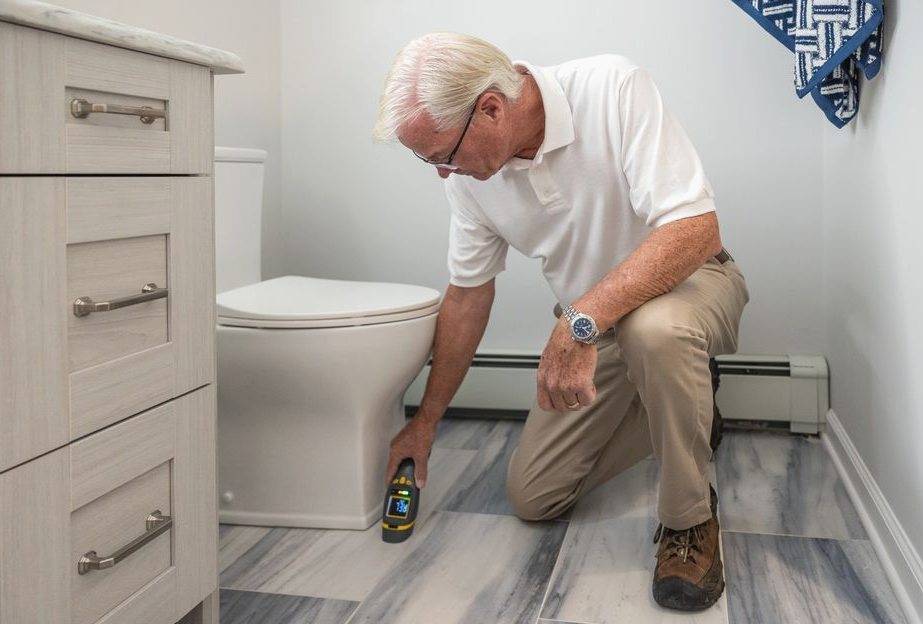
We inspect the shutoff valve behind the toilet first. These valves corrode over time. If the valve does not fully close or starts leaking when turned, it requires replacement. We remove the tank lid and watch a flush cycle to check the chain length, the condition of the rubber components, and whether the fill valve shuts off at the correct water level. For issues below the bowl, we pull the toilet to inspect the wax ring and the flange. We check if the flange is cracked, if it sits at the right height relative to the finished floor, and if the drain pipe beneath it is intact.
Repair Process and Materials
For tank issues, we replace the failed component with a new one matched to your toilet model. When the wax ring fails, we shut off the water supply, disconnect the line, remove the bolts, and lift the toilet off the flange. We scrape the old wax ring off the bottom of the bowl and the top of the flange. If the flange is intact, we set a new wax ring and reinstall the toilet. If the flange is cracked or set too low, we repair or replace it first. We work with standard shutoff valves and supply lines, using PEX tubing or copper pipe based on your existing plumbing connections.
Pricing Factors
A worn flapper or fill valve is a quick swap on the lower end of the cost scale. Replacing a wax ring and resetting the toilet requires more labor, particularly if the flange needs repair. A cracked bowl or a rotted flange requires additional materials and work. Replacing a failing shutoff valve also adds to the total. We provide the actual cost before starting work.
Local Climate Factors
Beaverton sits in a mixed climate with real winters and hot summers (climate zone 4C). These seasonal swings affect plumbing components. Shutoff valves and supply lines behind toilets are exposed to temperature changes, and over years, expansion and contraction stress the connections. If a toilet leaks and you cannot get the water shut off, untreated water on the bathroom floor quickly damages the subfloor.
What to Expect
-
Tell Us What's Going On
Tell us what you're seeing and when it started, you'll get a straight answer, not a sales pitch.
-
No-Pressure Inspections
A tech inspects the problem in person, no guessing from photos, no drive-by quotes.
-
Clear, Written Quote
You get the scope and the price in writing before any work starts. No surprises.
In practice, on a job like this:
- After clearing a line by hydro-jetting, inspect it again with the camera to check that debris is gone.
- Before making water-heater connections, close the main water supply and open a faucet to relieve pressure in the lines.
Pricing Ranges
Typical ranges, not a fixed price - the exact number is confirmed in writing before work starts.
$150–$750
$800–$2000
Communities We Cover
We cover Beaverton, OR. Get an Inspection to confirm coverage for your address.
Where We Stand Before You Call
- Free Estimates
- The visit and the written scope cost you nothing.
- Written quote before any work
- You see the number before anyone lifts a tool.
- Straight answers, no sales pitch
- You'll hear what we'd do and why, the decision stays yours.